Recently, I (Jesse) was pouring beer at the Modist booth at a beer festival, where we brought Double Vanilla Shook, a milkshake IPA made with lactose and vanilla. While pouring, someone came up to our booth and angrily asked “Why do you put lactose in your beer? Why not let the malts sing?” Which kind of caught me off guard because lactose, while still relatively new as a beer ingredient, has been in beer for over a century. The first milk stout to be brewed for market was first brewed in 1907 by Mackeson. Ever since, it’s been a fairly popular style but more recently brewers have started using lactose in other styles which has caused some uproar among some brewers and beer fans. This is something neither of us have ever really understood. Why is lactose in a stout okay but adding it to an IPA or a lager is crossing the line for some people? This interaction really had us asking, “Is there a line to cross and where is that line for different people?”
In beer, anything that isn’t barley, hops, water or yeast is called an adjunct. And in the recent past craft breweries have been adding more and more new adjuncts and more and more amounts of adjuncts into beer.
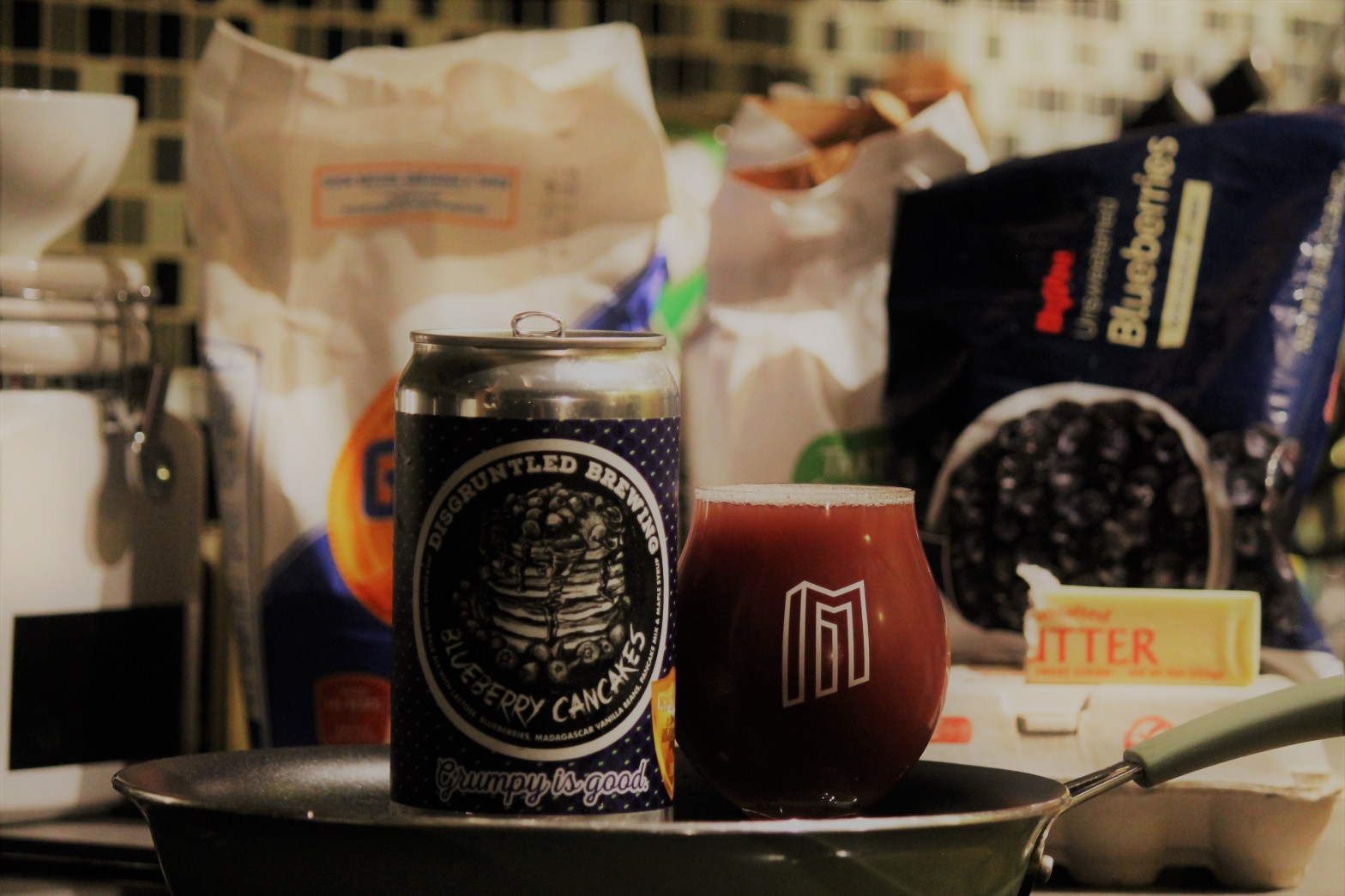
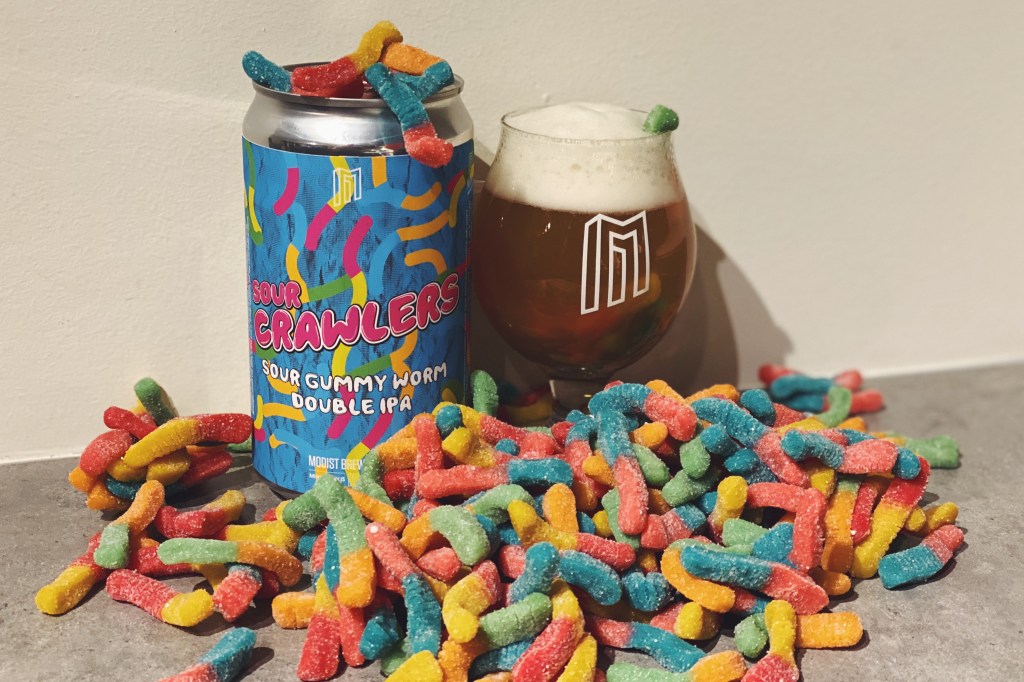
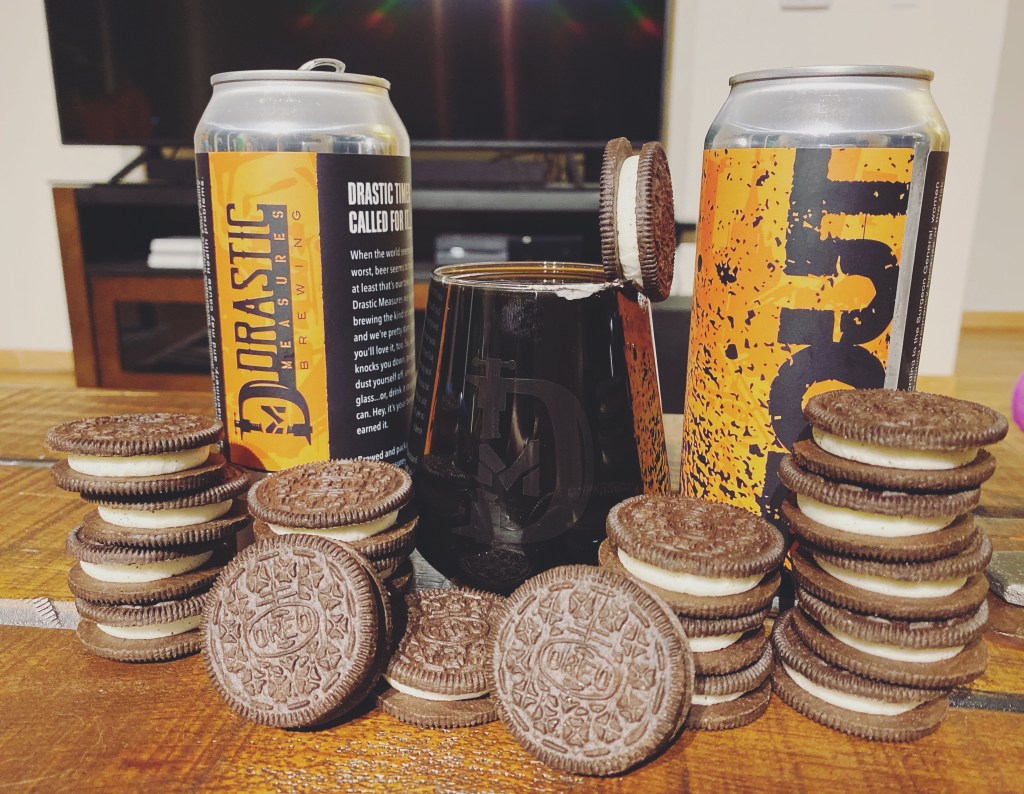
Recently, we started this conversation on Jesse’s Instagram stories. We had a crowler of Disgruntled Brewing’s Blueberry Cancakes, which is an IPA with lactose, blueberries, vanilla beans, pancake mix and maple syrup. The beer itself had a super heavy mouthfeel and a good amount of blueberry and maple flavor, and was actually pretty enjoyable. But it had us wondering “What do most people think about this beer?” So we asked “Is this crossing the line?” and “What’s the craziest adjunct you’ve had in a beer?” Out of the 47 people that answered 36 said no and some of the answers we got for craziest adjuncts people have had in beer were: truffles (mushrooms), oysters, smoked pig’s head, smoked eel, spirulina (algae), and candy (Sour Patch Kids, gummy worms, Oreo’s) When you list off those kinds of ingredients it kind of perplexes you that someone would get upset about lactose in an IPA. In our experience, at least with people that follow and participate in the beer Instagram community, these boundary pushing ingredients are fun and welcomed.
The question that pops in our heads is: why is lactose not okay, but things like coffee, chocolate and fruit are okay? These are adjuncts that can cover up the taste of the malts or hops in a beer but they usually don’t cause controversy when included in beer.
Some adjuncts are considered gimmicks by some people. Just a way to quickly sell beer. But if you’re having fun experimenting with new adjuncts and customers are having fun trying out new things, what’s the harm?
Brewers usually only add these adjuncts with a purpose in mind. Lactose is there to add viscosity to the mouthfeel. It doesn’t add flavor or alcohol, it’s there to buff up that creamy mouthfeel. Spirulina, for example, is an algae that just changes the color of the beer, doesn’t add flavor or mouthfeel. And they do it because they want to push boundaries of what beer can be. It’s just as much fun to see what different things you can do with beer as it is to try and perfect traditional styles.
Jesse works at Modist Brewing, a brewery that believes in modifying what beer is. That’s where the name Modist comes from; a modern artistic utilizing modification to achieve a self-conscious and intentional break from the conventional. Modist’s flagship IPA Dreamyard actually has no barley in it. Which means all of its fermentable sugars come from adjuncts, wheat and oat. All four beers Modist makes year round make use of adjuncts even.
Aside from Modist though, some of our favorite beers, favorite breweries, and favorite craft beer experiences come from these types of beers. A lot of the breweries that we always come back to, or regularly drink, are those that are pushing those boundaries, trying new things.
Even though we’re all for experimentation there’s a bit of a gray area for us with the super fruited beers lately. While we think they’re absolutely delicious and love them, we don’t want warning labels on beer cans to warn customers their beer might explode. We don’t think that should be a thing left in the hands of the consumer to be responsible for.
Of course, this is all our opinion. We just want to talk about the state of beer adjuncts in 2020 and see where everyone else stands on the subject.
Do you believe there’s a line to cross with beer ingredients? Where is that line for you?









 Alger Beerventures